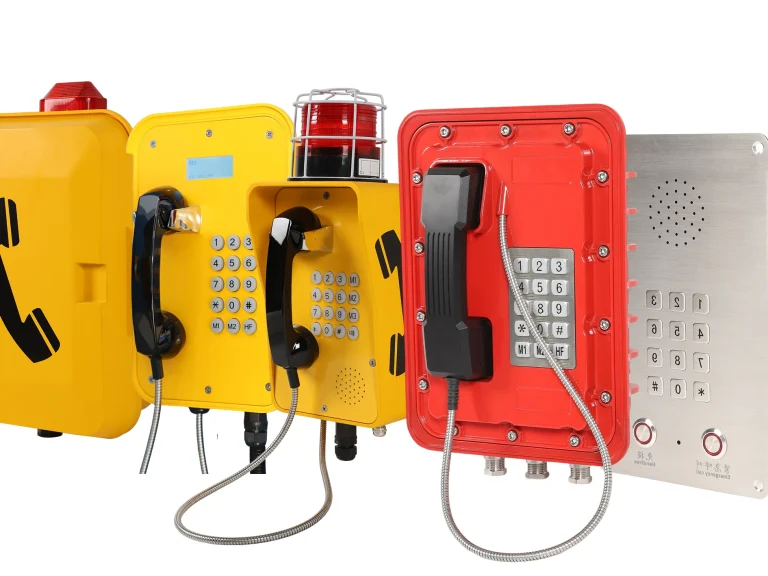
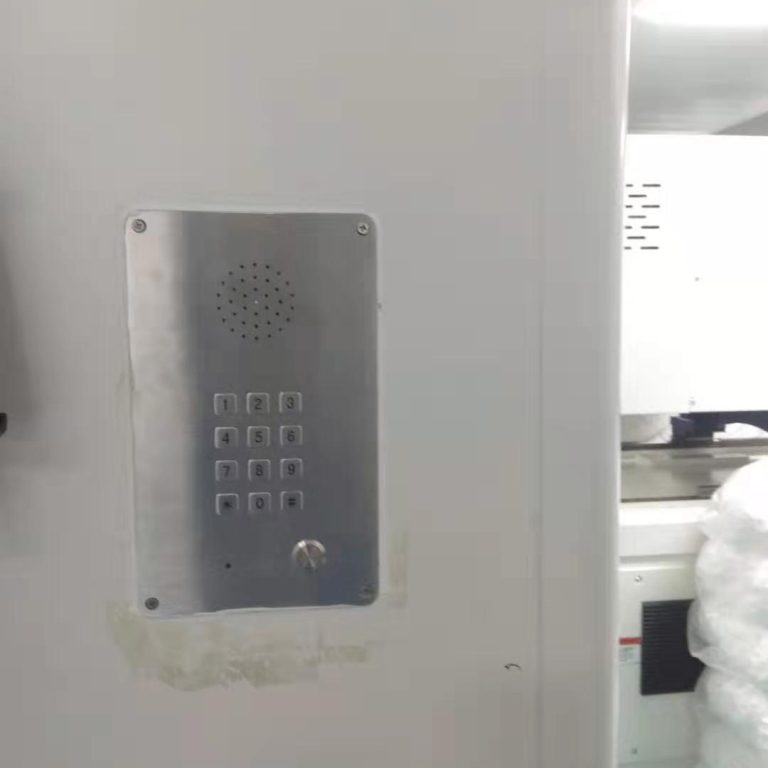
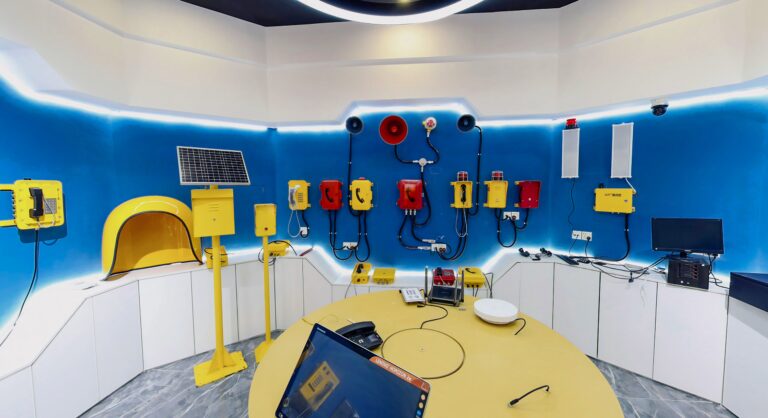
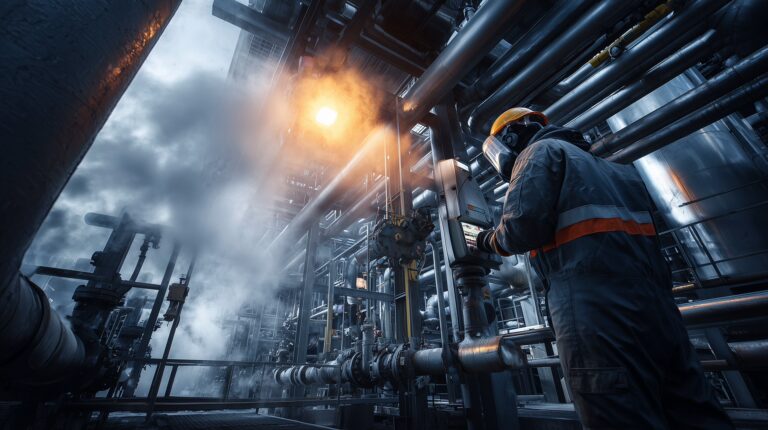
In the world of heavy industry—where “extreme” is just a normal Tuesday—communication isn’t just about convenience; it’s about safety, efficiency, and uptime. While the ruggedized, explosion-proof handsets on the wall get all the glory, the real heavy lifting happens behind the scenes.
Welcome to the world of the IP Phone Server (often called an IP PBX). If the industrial telephone is the voice, the server is the brain.
What Exactly is an IP Phone Server?
At its core, an IP Phone Server is a software-based switching system that manages calls within an IP network. Unlike old-school analog systems that relied on physical copper switchboards, these servers treat voice as data—specifically, VoIP (Voice over Internet Protocol) packets.
In an industrial setting, this server acts as a central traffic controller. It recognizes every SIP (Session Initiation Protocol) device on the site—from the gatehouse intercom to the deep-tunnel emergency phone—and ensures that when someone hits “dial,” the connection is instantaneous and crystal clear.
Why Industrial Giants are Ditching Analog
The shift from traditional “PSTN” to “IP” isn’t just a trend; it’s a tactical upgrade. Here’s why modern plants are making the switch:
Limitless Scalability: Need to add 50 more weather-proof phones to a new wing of the factory? With an IP server, you don’t need to pull miles of new proprietary cabling. If there’s an Ethernet port or Wi-Fi coverage, you’re in business.
Unified Integration: Modern IP servers don’t live in a vacuum. They can be integrated with your SCADA systems, fire alarms, and PAGA (Public Address and General Alarm) systems. If a sensor detects a leak, the server can automatically trigger a mass notification across every handset on-site.
Remote Management: Gone are the days of sending a technician into a hazardous zone just to change a phone extension. Admins can configure, reboot, and monitor the health of the entire network from a safe, comfortable control room.
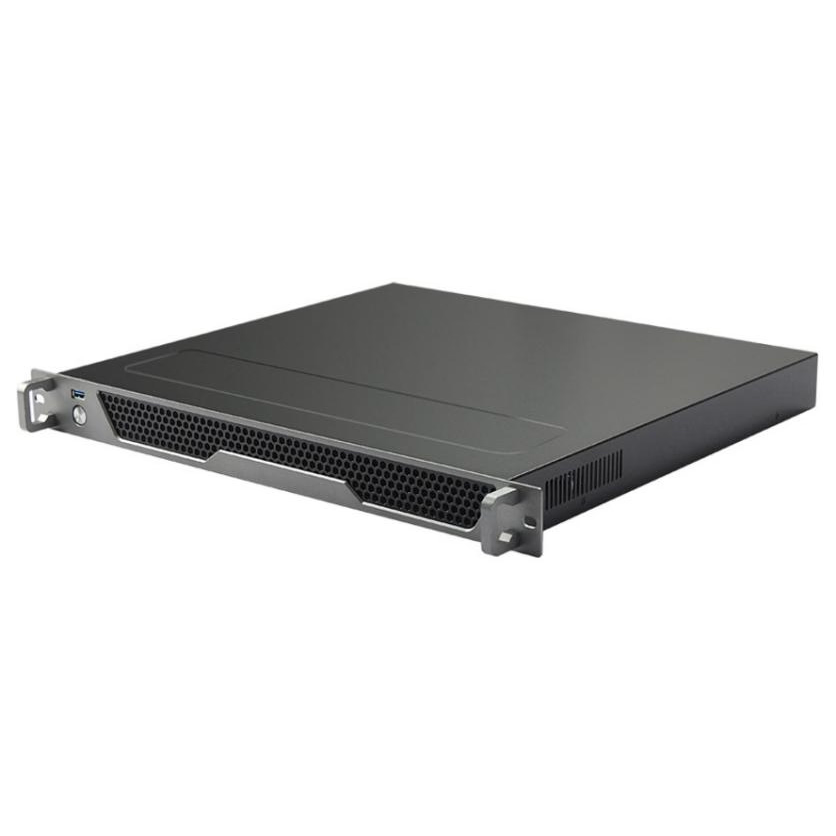
The "Industrial-Grade" Difference
You might wonder: “Can’t I just use a standard office VoIP server?” Technically, yes. Practically? No. Industrial environments demand a level of resilience that a standard IT closet server can’t provide. An industrial IP phone server is built for:
High Redundancy: In a mine or a chemical plant, communication failure isn’t an option. Industrial servers often feature “hot standby” configurations—if one server fails, a second one takes over in milliseconds without dropping a call.
Protocol Flexibility: These servers often need to “speak” to legacy equipment. They act as a bridge between modern fiber optics and older analog paging systems.
Security: With cyber-threats on the rise, industrial IP servers come with enhanced encryption (like SRTP and TLS) to ensure that your site’s internal communications stay private and protected.
The Bottom Line
Investing in a high-quality IP Phone Server is about future-proofing your operations. It’s the difference between a fragmented communication setup and a cohesive, intelligent ecosystem that protects your workers and streamlines your workflow.
As a manufacturer of the hardware that survives the world’s toughest conditions, we know that a rugged phone is only as good as the server powering it. It’s time to give your site the brain it deserves.